Tag: Advantage home
Expert insights, care strategies, and local NYC guidance — more articles on this topic.
-
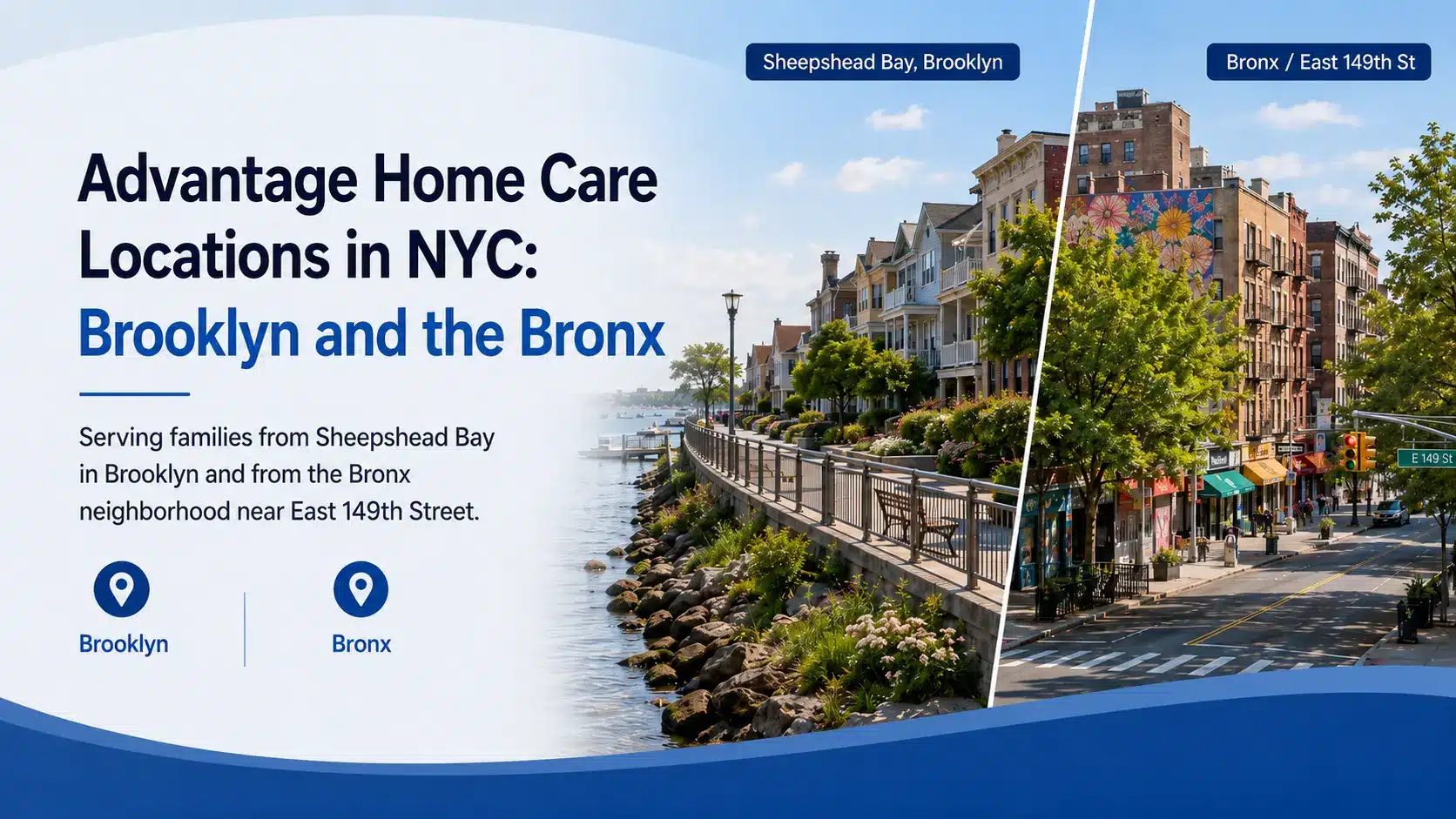
Advantage Home Care Locations in NYC: Our Brooklyn and Bronx Offices
Looking for the Advantage Home Care phone number or office address? Here are our Brooklyn (Sheepshead Bay) and Bronx (East 149th Street)…
-
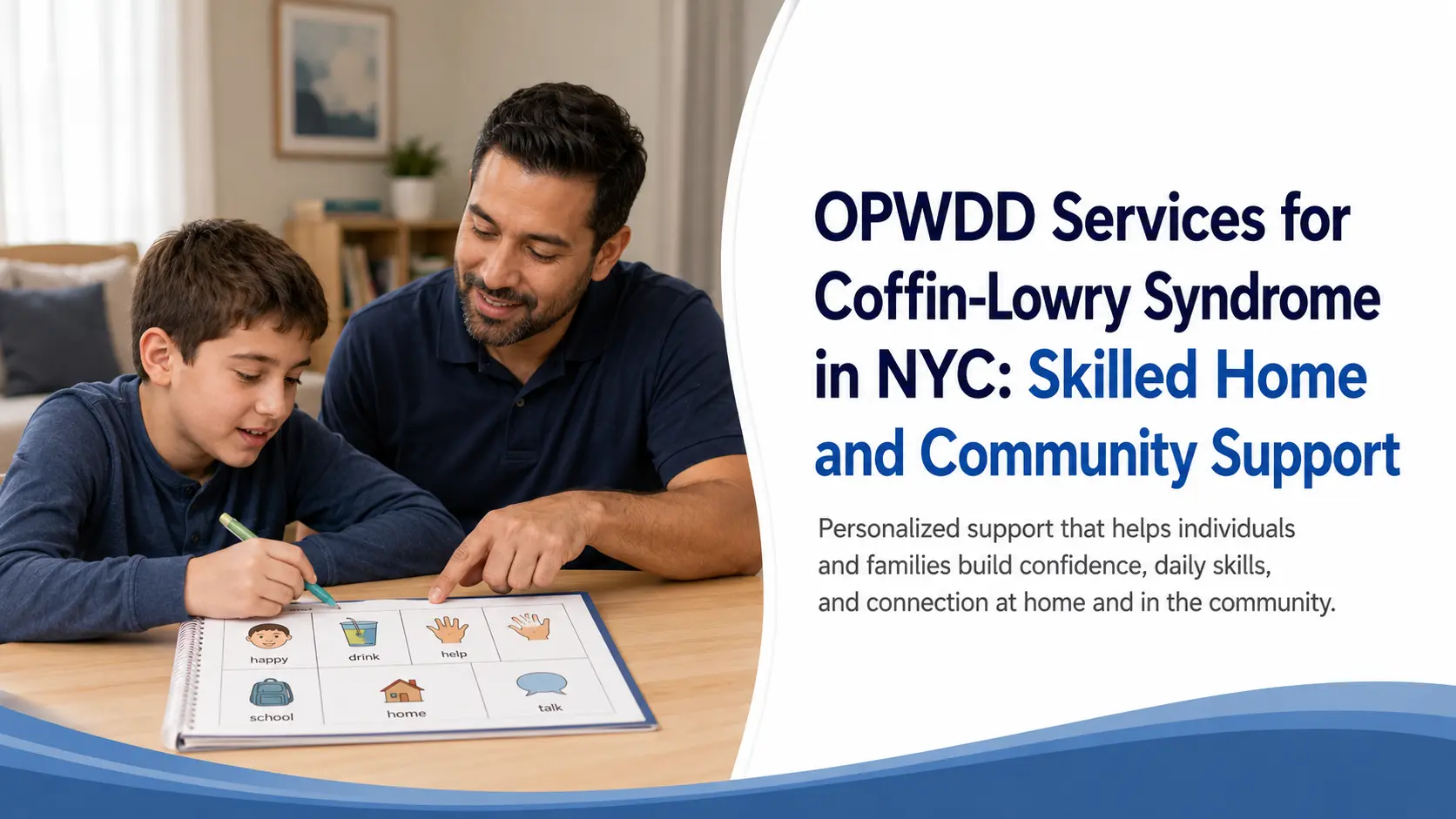
OPWDD Services for Coffin-Lowry Syndrome in NYC: Skilled Home and Community Support
How OPWDD services support children and adults with Coffin-Lowry syndrome in NYC — in-home support, community and day habilitation, and respite —…
-
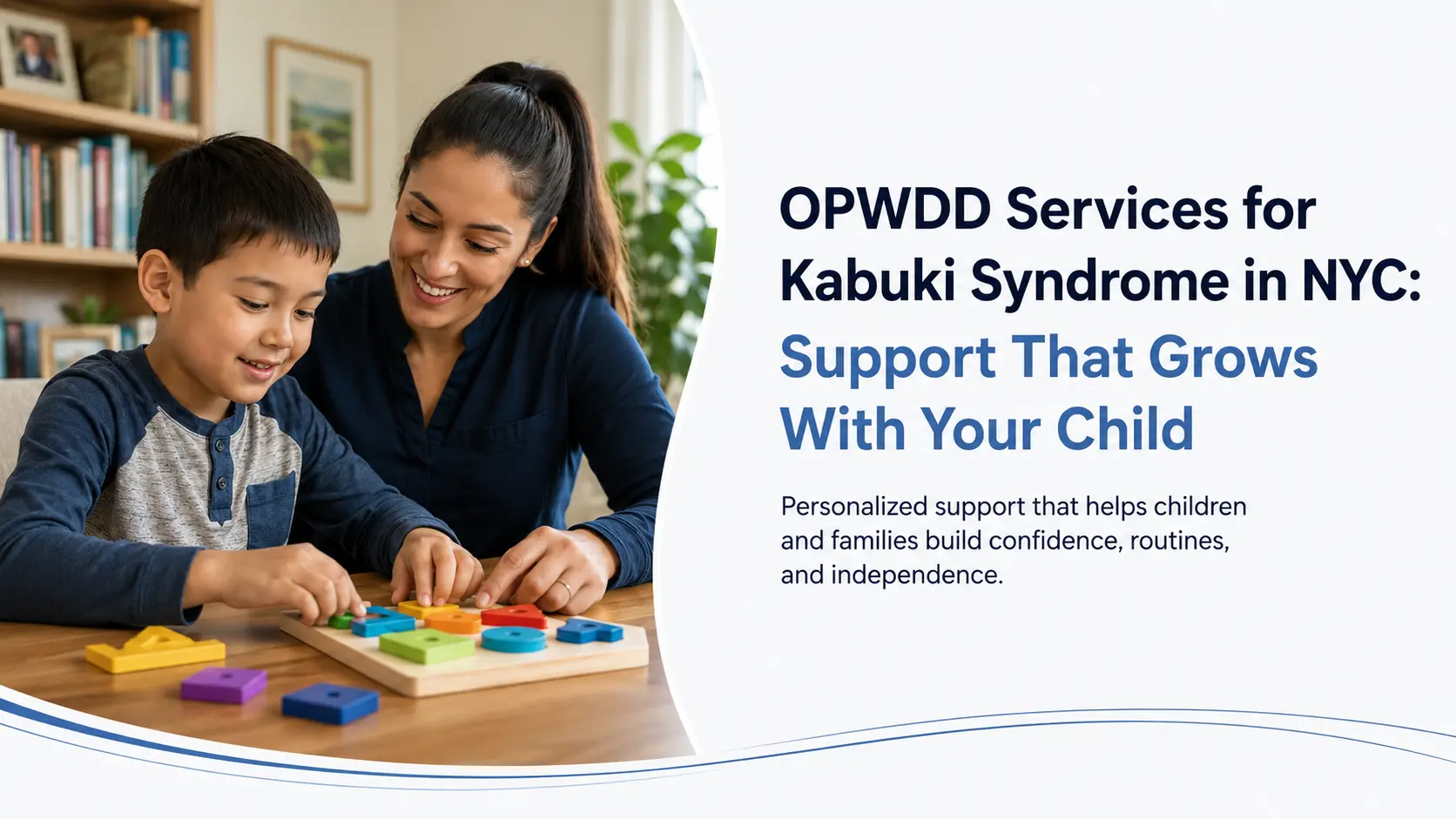
OPWDD Services for Kabuki Syndrome in NYC: Support That Grows With Your Child
How OPWDD services support children and adults with Kabuki syndrome in NYC — community and day habilitation, in-home support, and respite —…
-
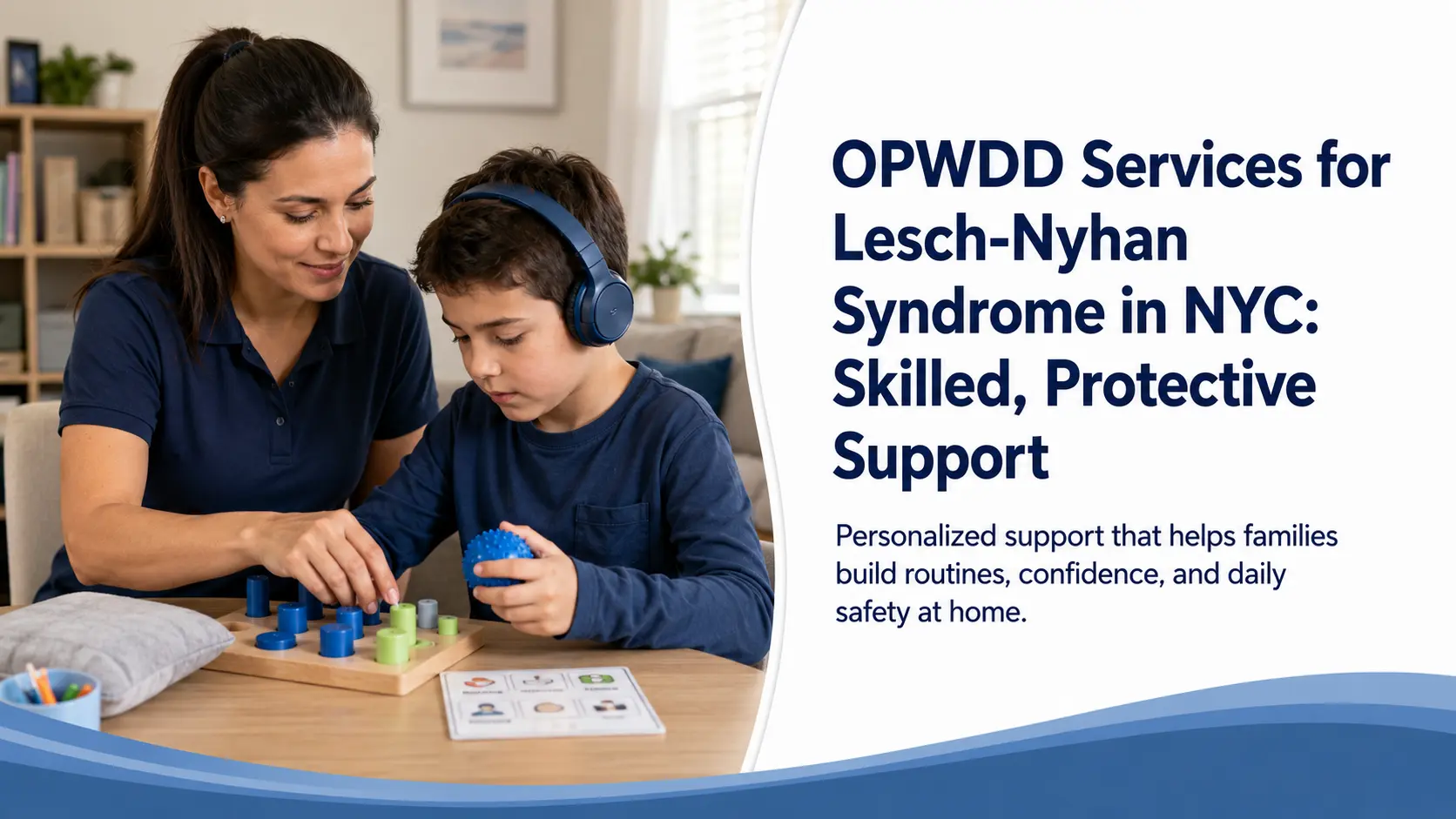
OPWDD Services for Lesch-Nyhan Syndrome in NYC: Skilled, Protective Support
How OPWDD services support children and adults with Lesch-Nyhan syndrome in NYC — skilled in-home support, community habilitation, and respite — with…
-
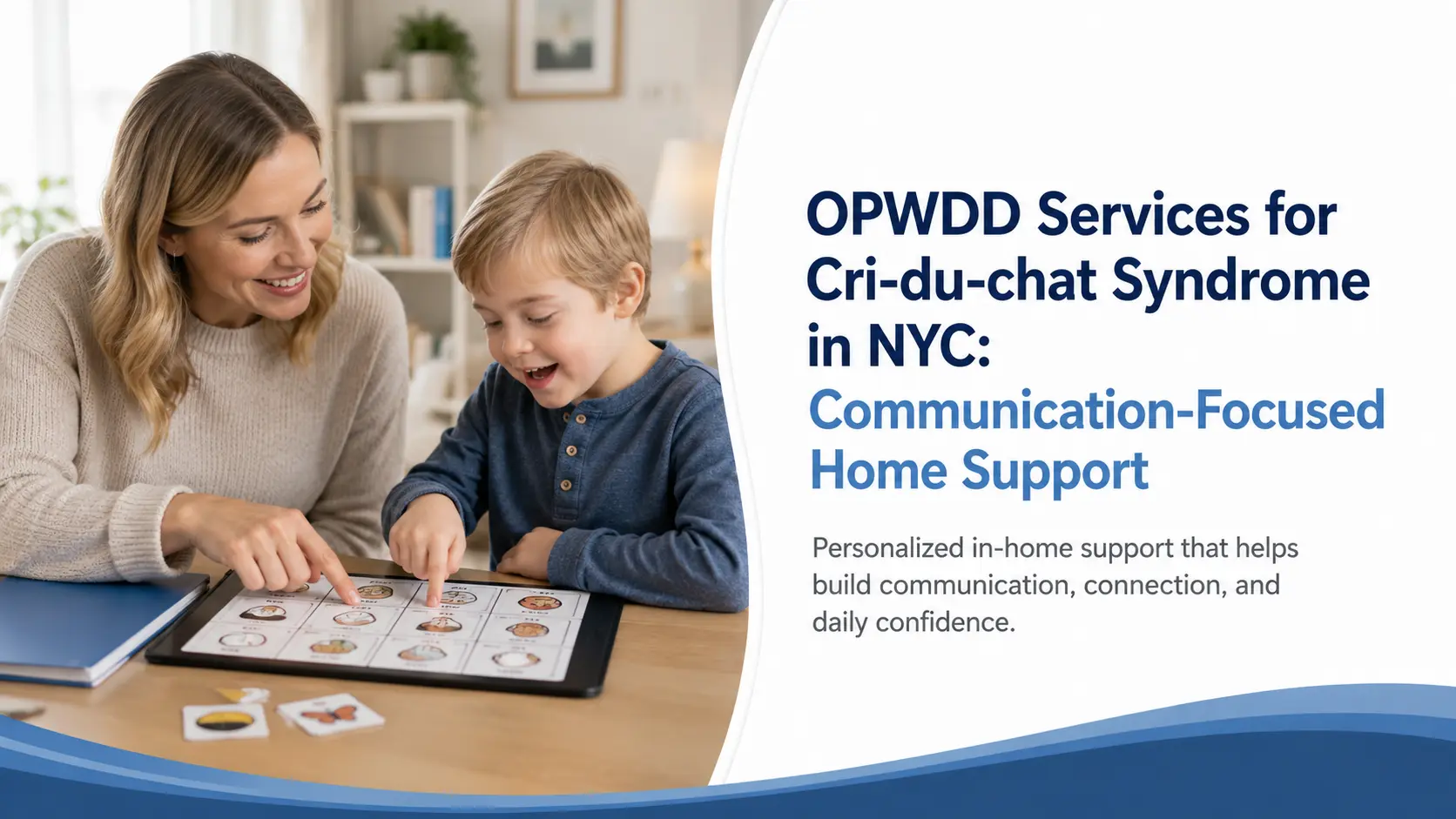
OPWDD Services for Cri-du-chat Syndrome in NYC: Communication-Focused Home Support
How OPWDD services support children and adults with Cri-du-chat syndrome in NYC — in-home support, communication help, community habilitation, and respite —…
-
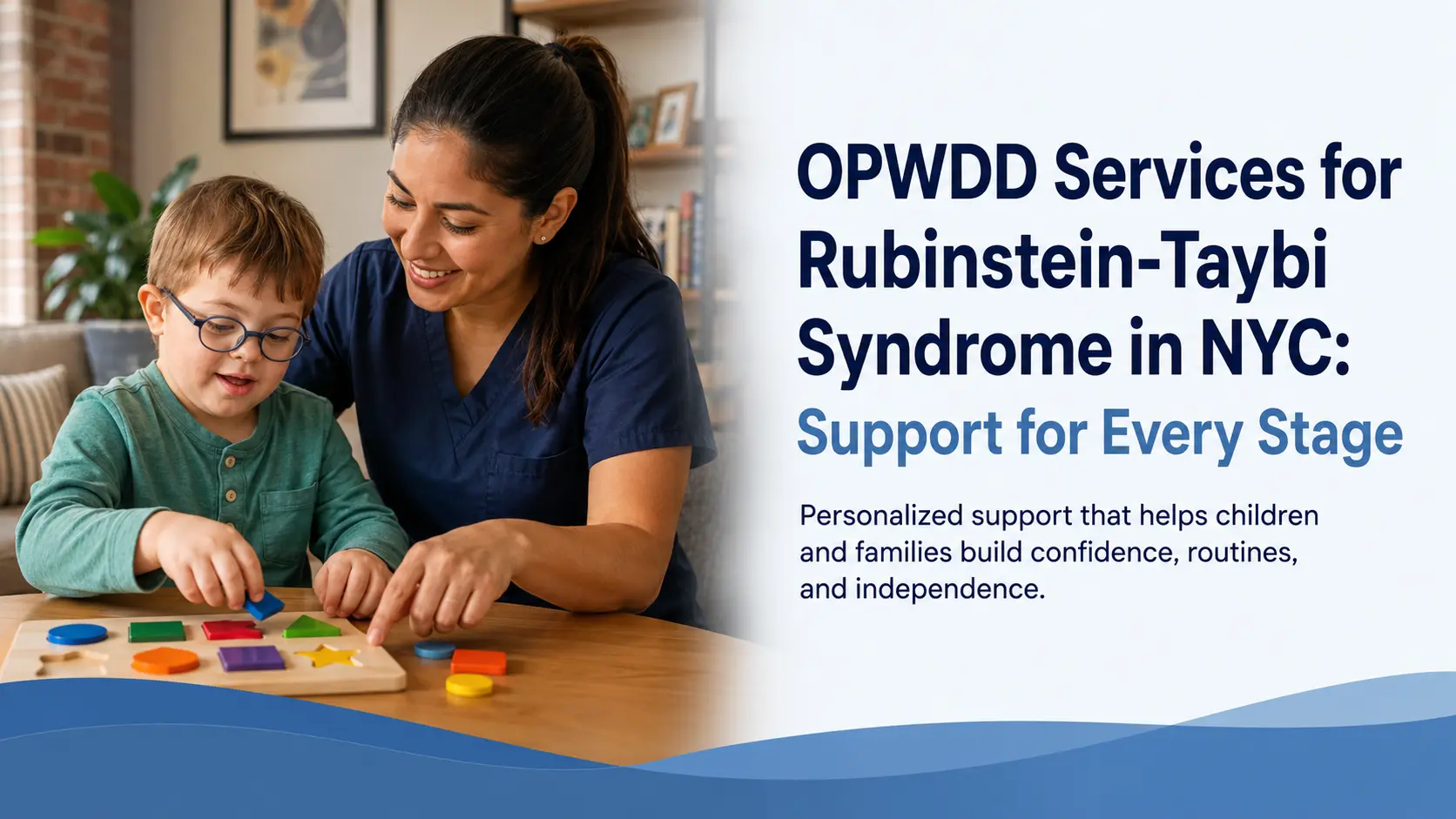
OPWDD Services for Rubinstein-Taybi Syndrome in NYC: Support for Every Stage
How OPWDD services support children and adults with Rubinstein-Taybi syndrome in NYC — community and day habilitation, in-home support, and respite —…
-
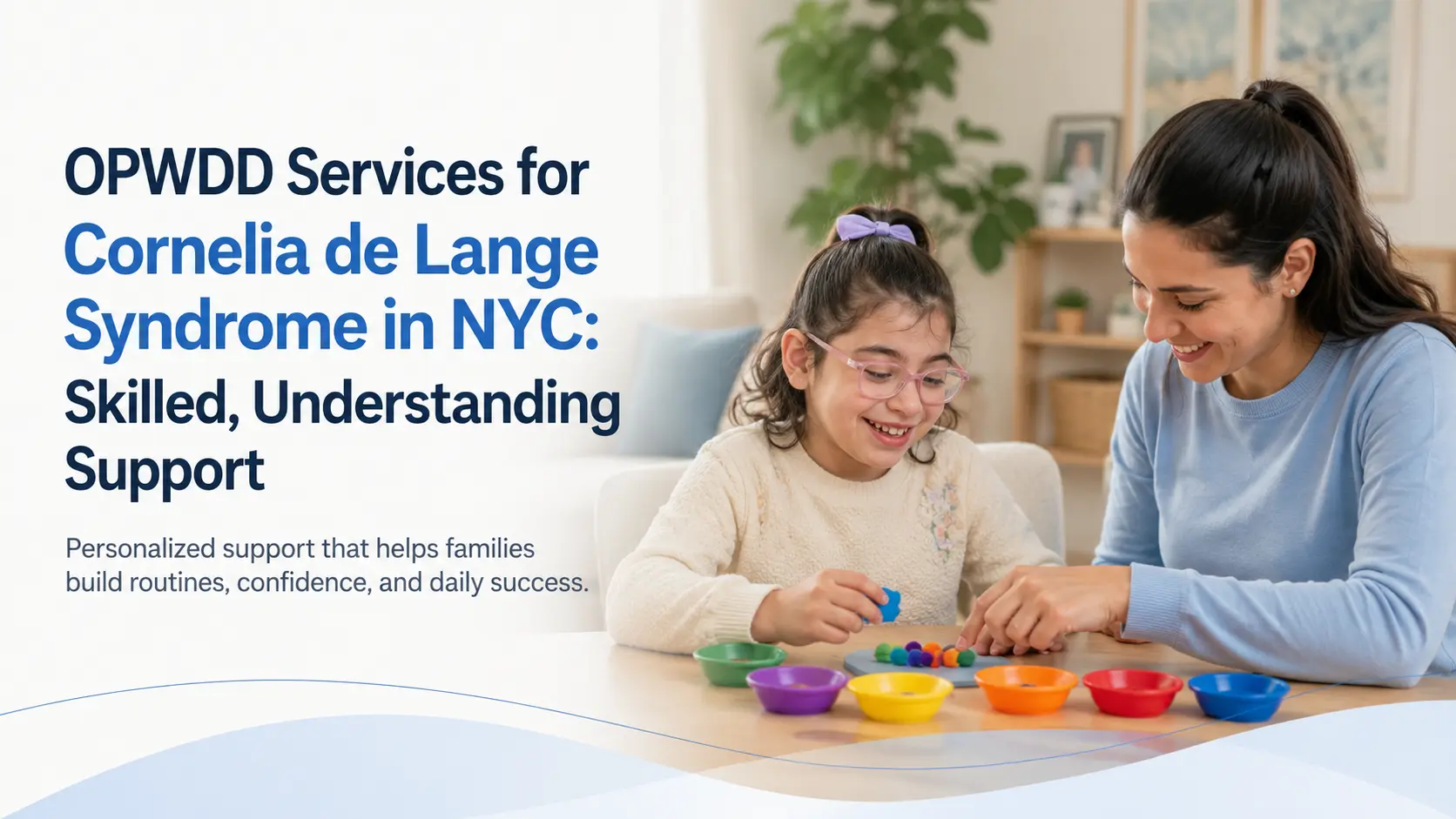
OPWDD Services for Cornelia de Lange Syndrome in NYC: Skilled, Understanding Support
How OPWDD services support children and adults with Cornelia de Lange syndrome in NYC — in-home support, communication help, community habilitation, and…
-
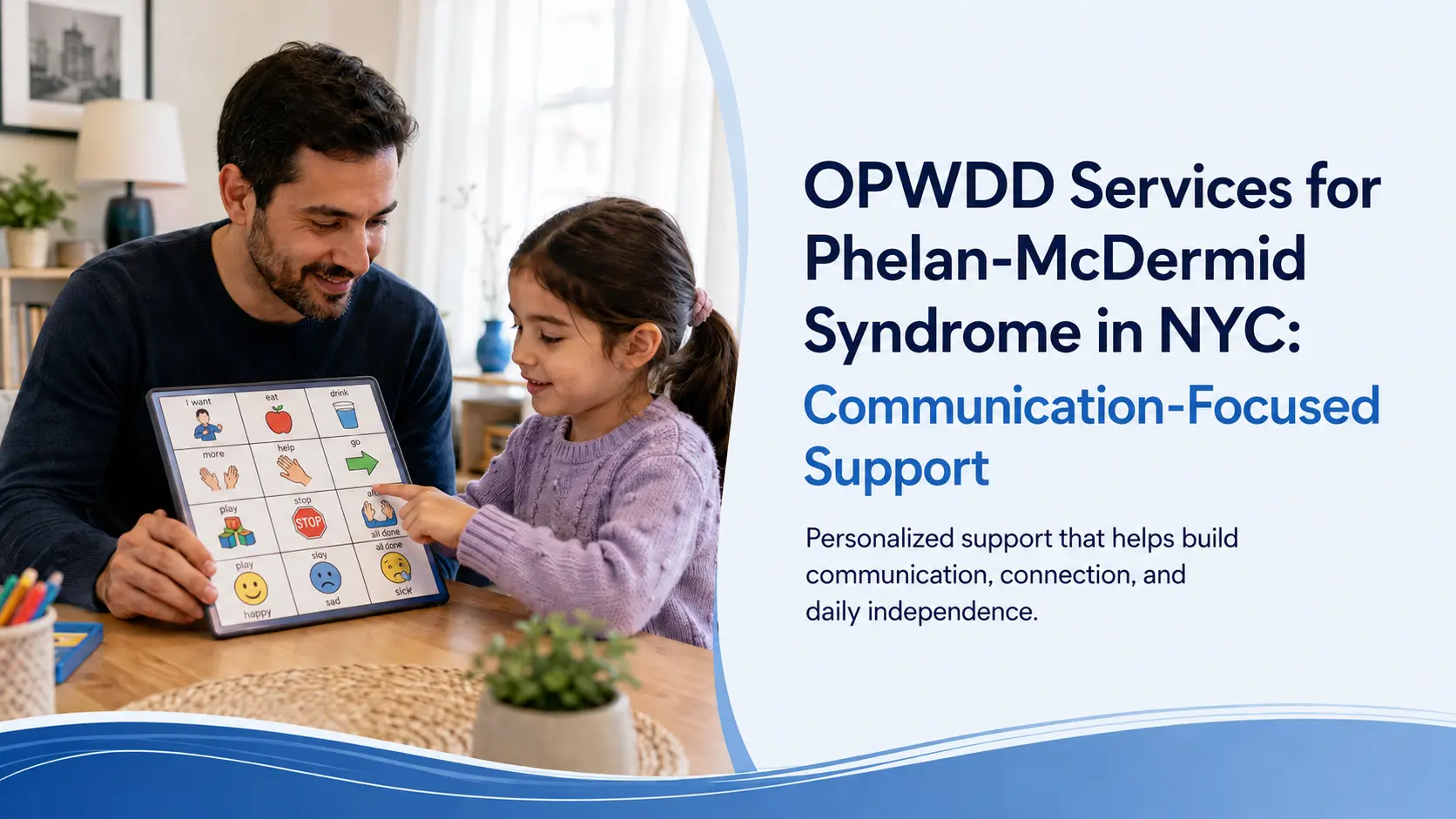
OPWDD Services for Phelan-McDermid Syndrome in NYC: Communication-Focused Support
How OPWDD services support children and adults with Phelan-McDermid syndrome in NYC — in-home support, communication help, community habilitation, and respite —…
-
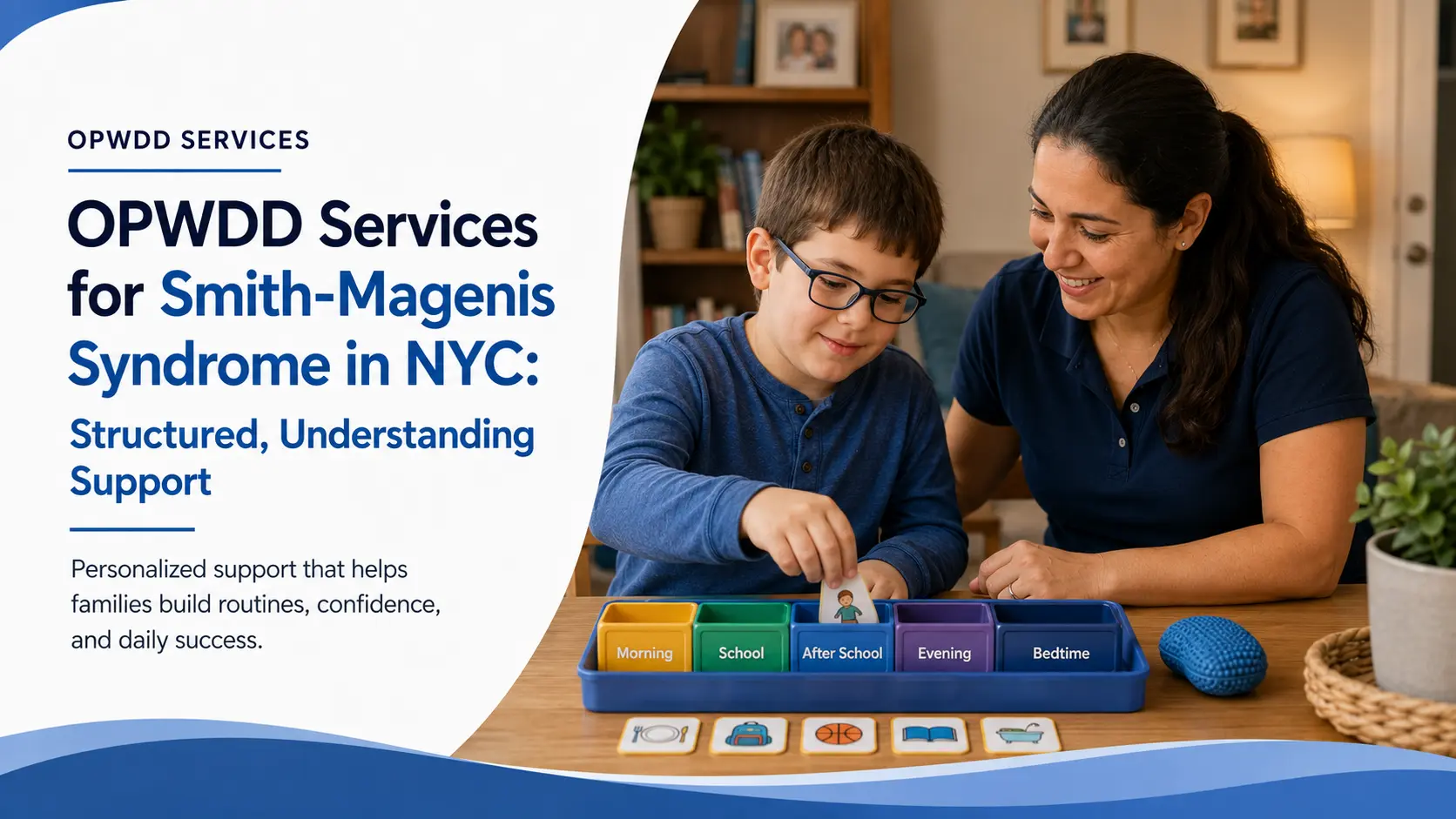
OPWDD Services for Smith-Magenis Syndrome in NYC: Structured, Understanding Support
How OPWDD services support children and adults with Smith-Magenis syndrome in NYC — in-home support, community and day habilitation, and respite —…
-
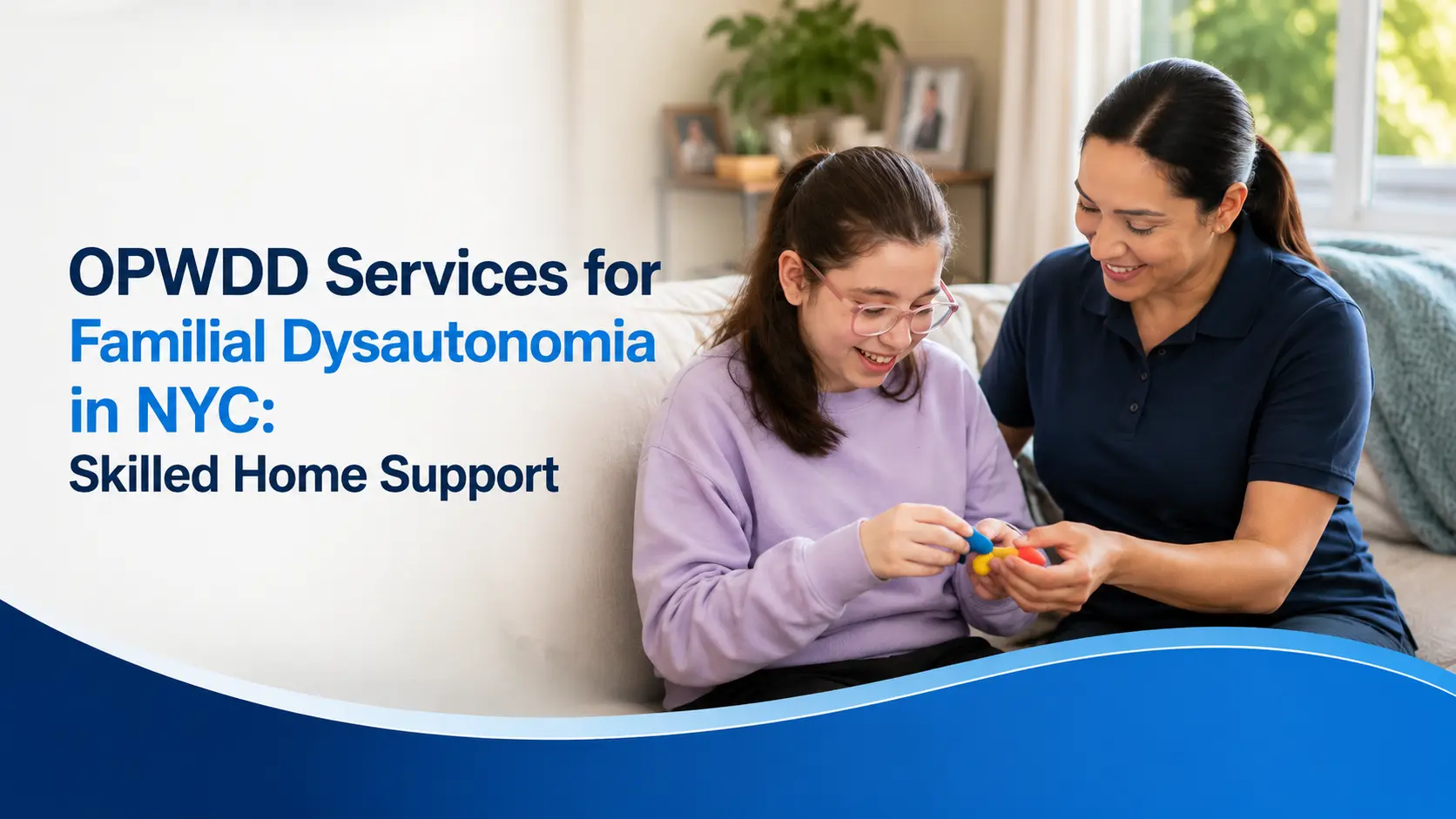
OPWDD Services for Familial Dysautonomia in NYC: Skilled Home Support
How OPWDD services support children and adults with familial dysautonomia in NYC — skilled in-home support, community habilitation, and respite — with…
-
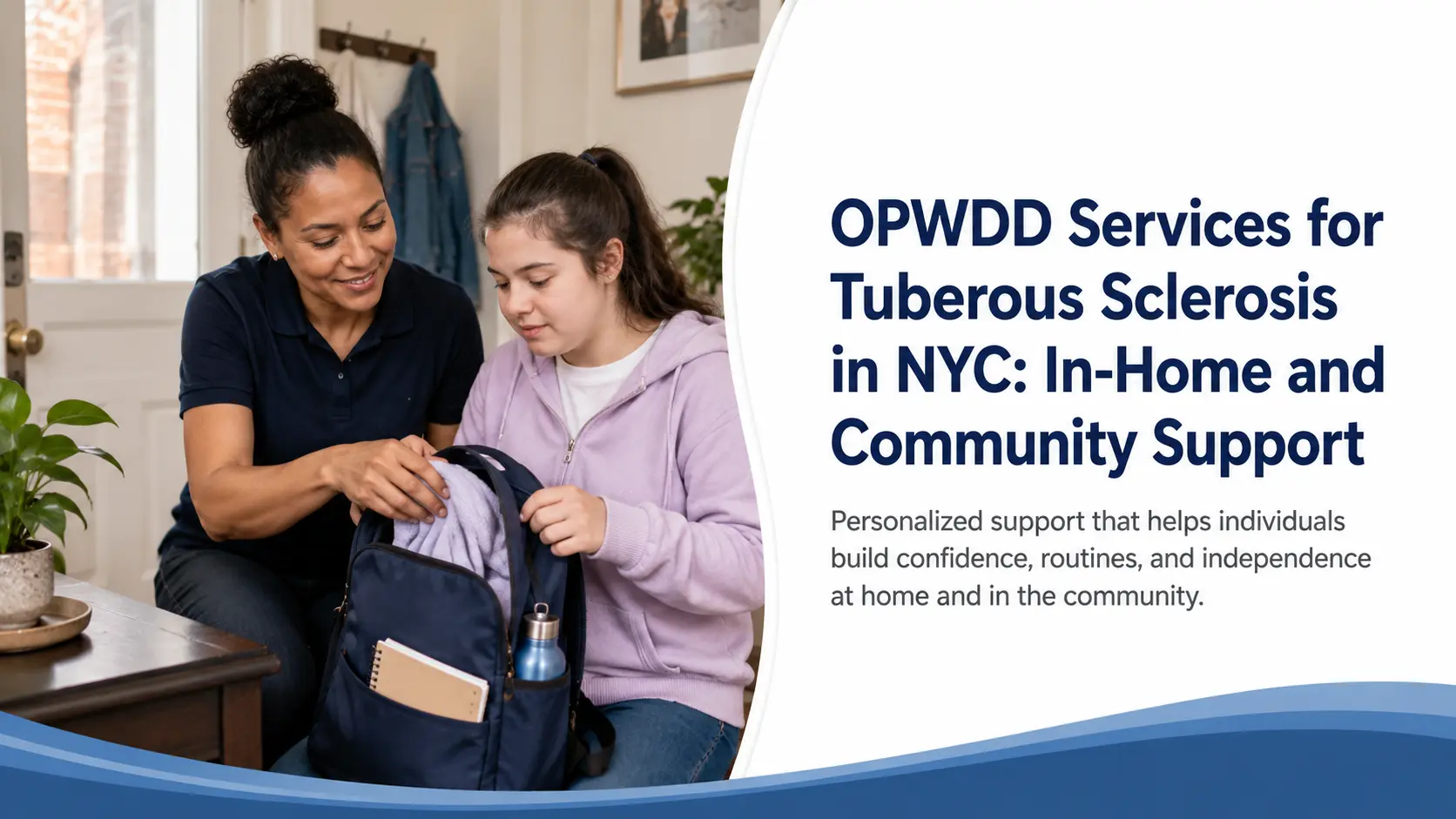
OPWDD Services for Tuberous Sclerosis in NYC: In-Home and Community Support
How OPWDD services support children and adults with tuberous sclerosis in NYC — in-home support, community and day habilitation, and respite —…
-

OPWDD Services for Williams Syndrome in NYC: Support for Every Stage
How OPWDD services support children and adults with Williams syndrome in NYC — community and day habilitation, in-home support, and respite —…