Tag: Guide
Expert insights, care strategies, and local NYC guidance — more articles on this topic.
-
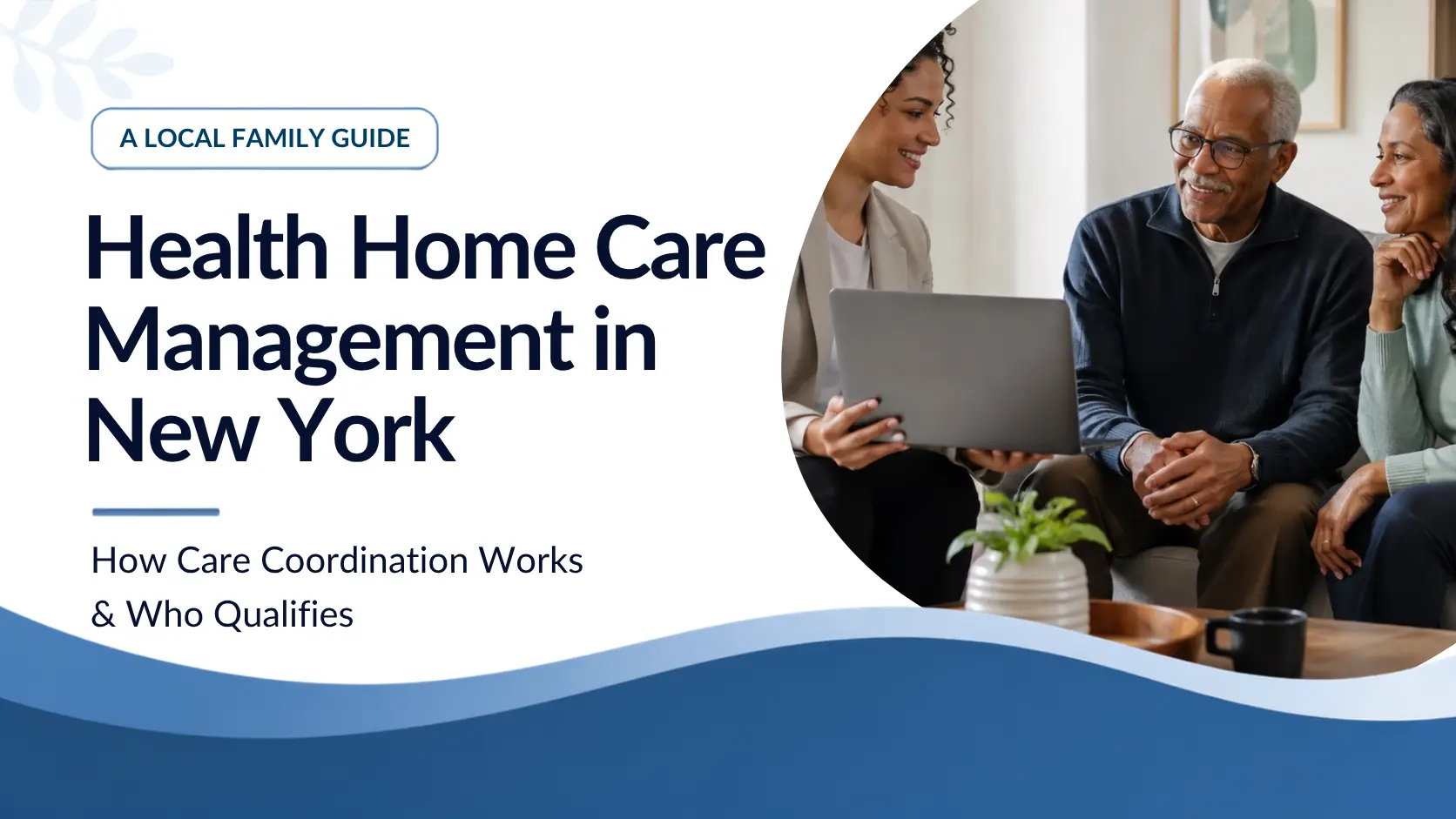
Health Home Care Management in New York: How Care Coordination Works and Who Qualifies
What New York’s Health Home program is, who qualifies for care management, the benefits of joining, and how it differs from MLTC…
-

Respite Care Cost in NYC: What It Costs, Who Pays, and How to Get Covered Hours
What respite care costs in New York City and who pays for it — Medicaid aide hours, OPWDD respite, VA benefits, long-term…
-
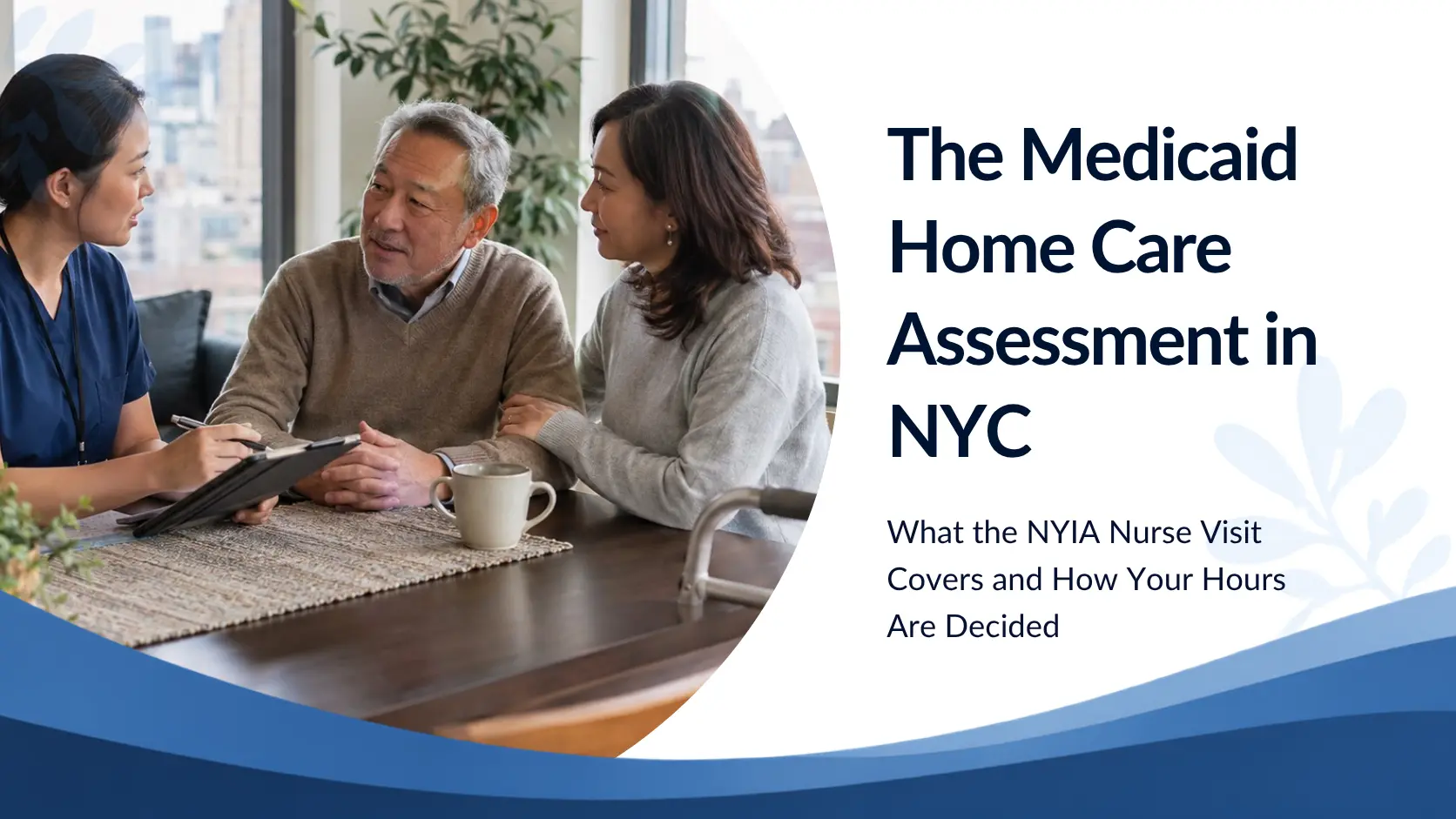
The Medicaid Home Care Assessment in NYC: What the NYIA Nurse Visit Covers and How Your Hours Are Decided
The NYIA assessment decides how many home care hours you get. Here is exactly what the nurse visit and clinical appointment cover,…
-
Does Medicare Cover Home Care? Medicare vs. Medicaid in New York
Medicare covers short-term skilled home health, not ongoing help with bathing and dressing. Here is exactly what each program pays for in…
-
Immediate Need Home Care in NYC: How to Get Medicaid Home Care Fast
New York has a fast-track “Immediate Need” process for Medicaid personal care. Here are the forms, the legal timeframes, what to do…
-

Coming Home From Rehab: What to Set Up Before Discharge Day
Short-term rehab ends faster than families expect. Here is what to arrange before the discharge date — home care hours, equipment, therapy…
-
Does Medicaid Cover a Hospital Bed, Wheelchair or Grab Bars? Equipment and Home Modifications in New York
What New York Medicaid covers at home beyond an aide — durable medical equipment, and construction-grade modifications like ramps, grab bars and…
-
Home Care Hours Cut or Denied? How to Appeal in New York
If your MLTC plan reduces or denies home care hours, you have appeal rights with strict deadlines — plan appeals, aid continuing,…
-

Our Home Care Services in NYC: Which One Does Your Family Need?
PCA, HHA, CHHA, OPWDD, NHTD/TBI, care coordination or private pay — a two-minute guide that matches your situation to the right service,…
-
Caring for a Spouse at Home: Medicaid, Spousal Refusal, and How to Get Help
Will applying for Medicaid take our savings? How spousal impoverishment protections and spousal refusal work in New York — plus how spouses…
-

Do You Qualify for Home Care in NYC? A 2-Minute Self-Check
Six questions that tell you, in about two minutes, whether your family is likely to qualify for Medicaid-funded home care in New…
-
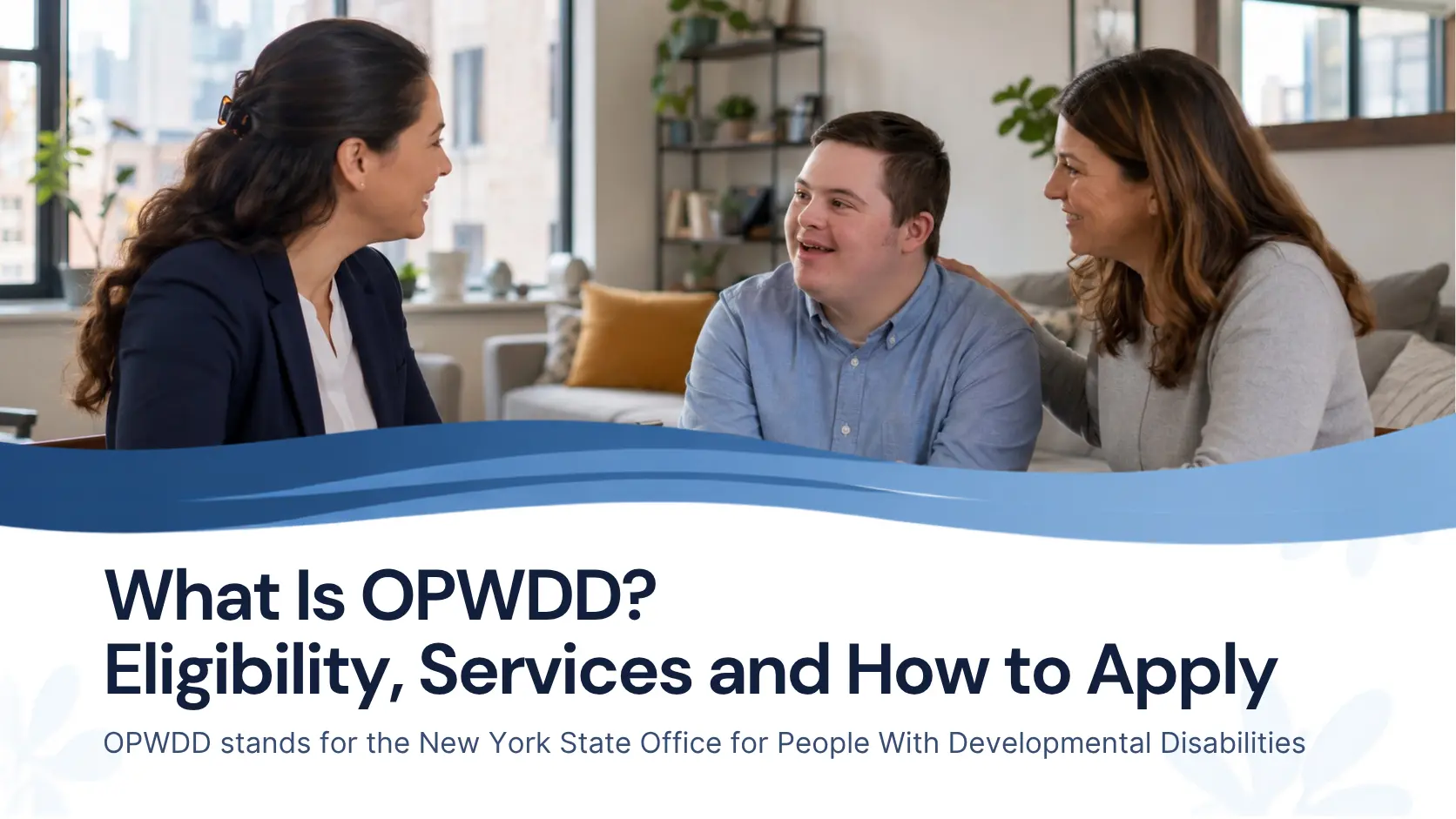
What Is OPWDD? Eligibility, Services and How to Apply — The Short Guide
OPWDD stands for the Office for People With Developmental Disabilities. What it is, who qualifies, what it pays for, and how to…